An article exploring the potential of showing vulnerability of the superheroes in Avengers
Warning : Possible spoilers ahead
I am not a huge Marvel fan. That’s not the greatest way to begin an article this week but it is what it is. That didn’t stop me from watching ‘Avengers: Endgame’ though. I was perhaps in the minority there even though I’ve read a fair amount of the comics and know the characters. Judging by the screams and shouts of the people in the audience as superheroes came and went, I definitely questioned my place in the hall. It was the sensation of being an outsider, like someone who is new to a social setting and can’t figure out what the joke at the party was about. However, this piece isn’t about that. While watching the movie, all that was playing in my mind was the article written by John DeVore called ‘The Loneliness of Superheroes’.
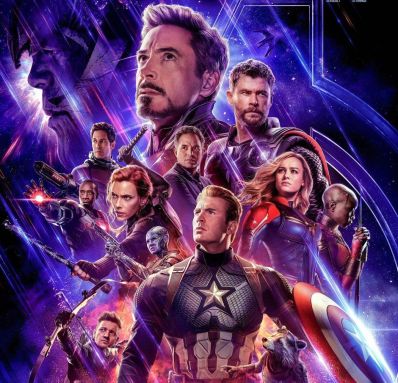
John’s article talks of how if you look past the façade of the machismo and grandiose speeches and righteous fury, most if not all of these superheroes are lonely people. He says,
Every superhero’s secret identity is a quiet withdrawn boy, terrified of his own sadness. Superman is an alien so lonely he built a home far away from other people. His whole home world is dead. He named this fortress after his loneliness. He spends his days there waiting to be of use to someone, anyone, because unless the world is in crisis, what’s the point of Superman?
Superheroes may be known for their superpowers but movies rarely deep dive into the emotionally flawed aspect of their lives. Who would you rather pay money for? Batman kicking criminal-ass while intimidating goons or him sitting with a therapist discussing why he has chosen to close himself off to deal with his childhood issues. It makes (financial) sense to show them deal with problems by thrashing things and facing villains head-on. That’s what we’re also told to do right? To stand up to troubles and troublesome people. But you can’t smash your way through goons to heal the pain of being an orphan, can you?
A similar point in John’s article mentions the Avengers,
The Avengers aren’t lonely, until they all go home — to their penthouses and sanctums and apartments in Queens. They take off their masks and boots and wonder what the others are doing. When they’re together, when they’re a team, they punch and make jokes and get angry at aliens. But they never stop, make eye contact, and ask each other, “How are you feeling?”
With this in mind, I was quite surprised to see the focus on friendship and family in Endgame. Of course at some level, it was emotional porn. The cinematic universe was wrapping up a franchise so characters had to make their way back. But it was interesting to see that in the aftermath of Thanos’ actions, *spoilers ahead* Iron Man was now a family man, unwilling to risk his newfound domesticity, Hulk was checking in on Thor who had started drinking as a coping mechanism, and even Captain America was looking out for Black Widow as she sat eating a peanut-butter sandwich with tears in her eyes. Iron Man hugs Spider-Man and Spider-Man quips that it feels nice. One scene was about Captain America leading a group session wherein a man was sharing his experience about going on a second date with a guy despite the first one ending in both of them crying. It was a nice acknowledgment that the lives of superheroes damaged much more than the infrastructure of the city.
If you break down the movie component by component, I’m sure the actual action would not occupy even 40% of the length. So what exactly is it that draws people to these superheroes? Is it what they can do with their minds and bodies? Is it what they stand for as heroes? Is it who they are as people themselves? Or is it who they are when there is no one around to be defeated?
The tricky aspect of hero worship, in movies and in real life is that it is always done from a distance. Whenever they’re crouching over rooftops and observing the city, you rarely see a civilian reach out to them with a mug of coffee and ask them how their day was and if this vigilante malarkey tired them. Even in the movie when Hulk comforts Thor, the motivation behind is to bring him on board for the battle ahead. His emotional healing could wait until the world was saved and the loved ones were revived.
I know what I’m saying might not fit into the accepted idea of the superhero figure and the movie franchise it has spawned off. Thor’s alcoholic slump is a punch-line for the movie because he’s Thor. Of course he’ll get his mojo back. He’s a God after all. The King of Asgard and what not. But I wonder if there was a script that called for Hulk or Captain America or Black Widow or anyone for that fact to sit with him and just let him share what was bothering him. From a storyline perspective, it needn’t have happened. But wouldn’t it be nice if it did?


Isnt that why we go to the movies for — to escape reality and for a happy ending always? Thats why we like superheroes who solve everything for you. Wont mind having one in real life!
LikeLike
Really? Do you always go for a happy ending? Because I don’t. And I don’t mind the escapism. I just feel the stories can focus more on the vulnerability of superheroes.
LikeLike