Post Number 90: The Burden of Untold Secrets (in Seichō Matsumoto’s ‘Point Zero’)

“Lo! Death has reared himself a throne

In a strange city lying alone

Far down within the dim West,

Where the good and the bad and the worst and the best

Have gone to their eternal rest.

There shrines and palaces and towers

(Time-eaten towers and tremble not!)

Resemble nothing that is ours.

Around, by lifting winds forgot,

Resignedly beneath the sky

The melancholy waters lie.”

-The City in the Sea, Edgar Allan Poe

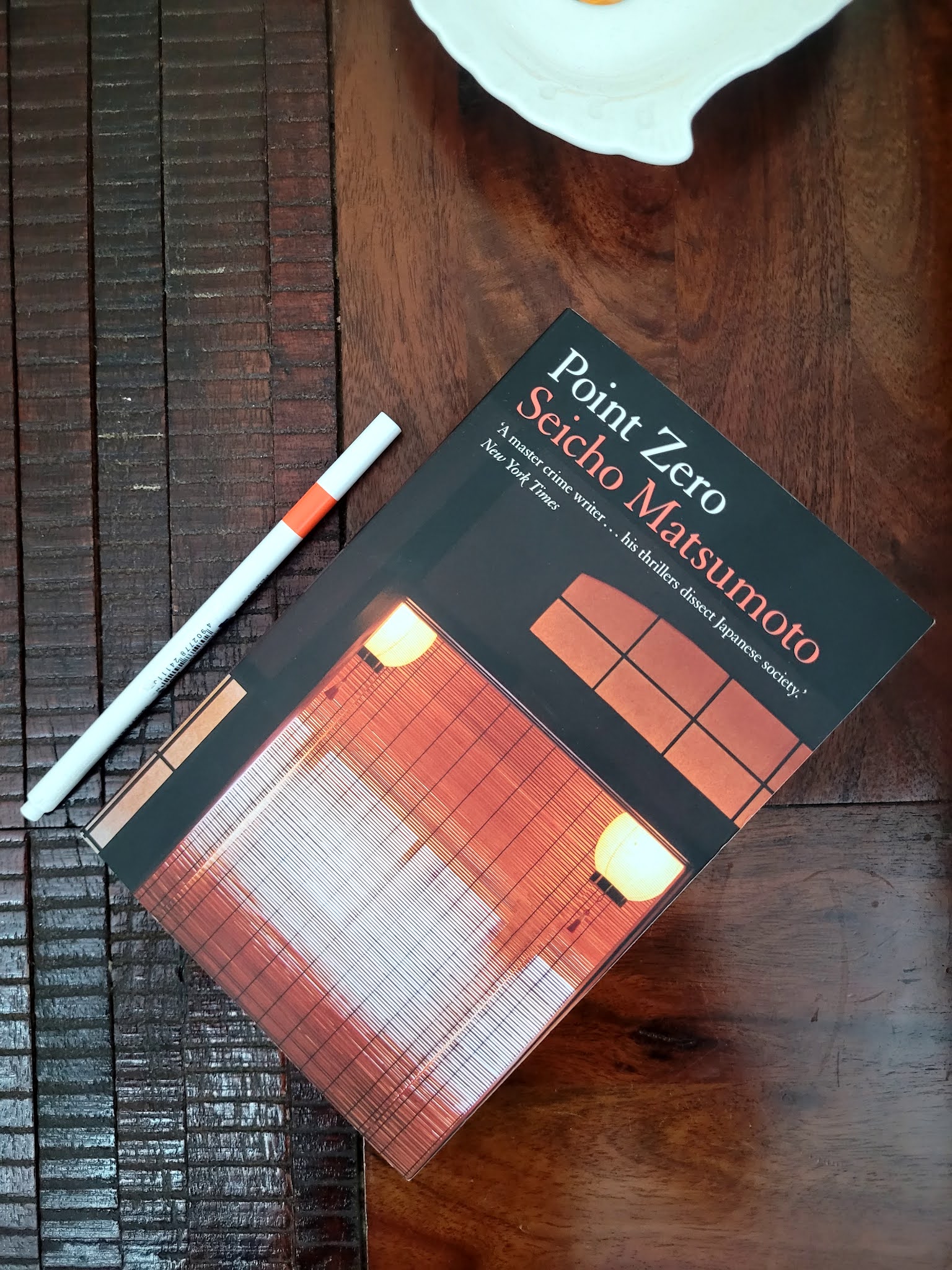
What is the future of a relationship built on a foundation of secrets? That is the question that runs through the core of Seichō Matsumoto’s ‘Point Zero’, translated from Japanese into English by Louise Heal Kawai. Set in 1958 and told through the circumstances in the life of its 26 year-old protagonist Teiko, the story follows her search for answers when her husband, 36 year-old Kenichi Uhara goes missing days after their honeymoon.

Read More

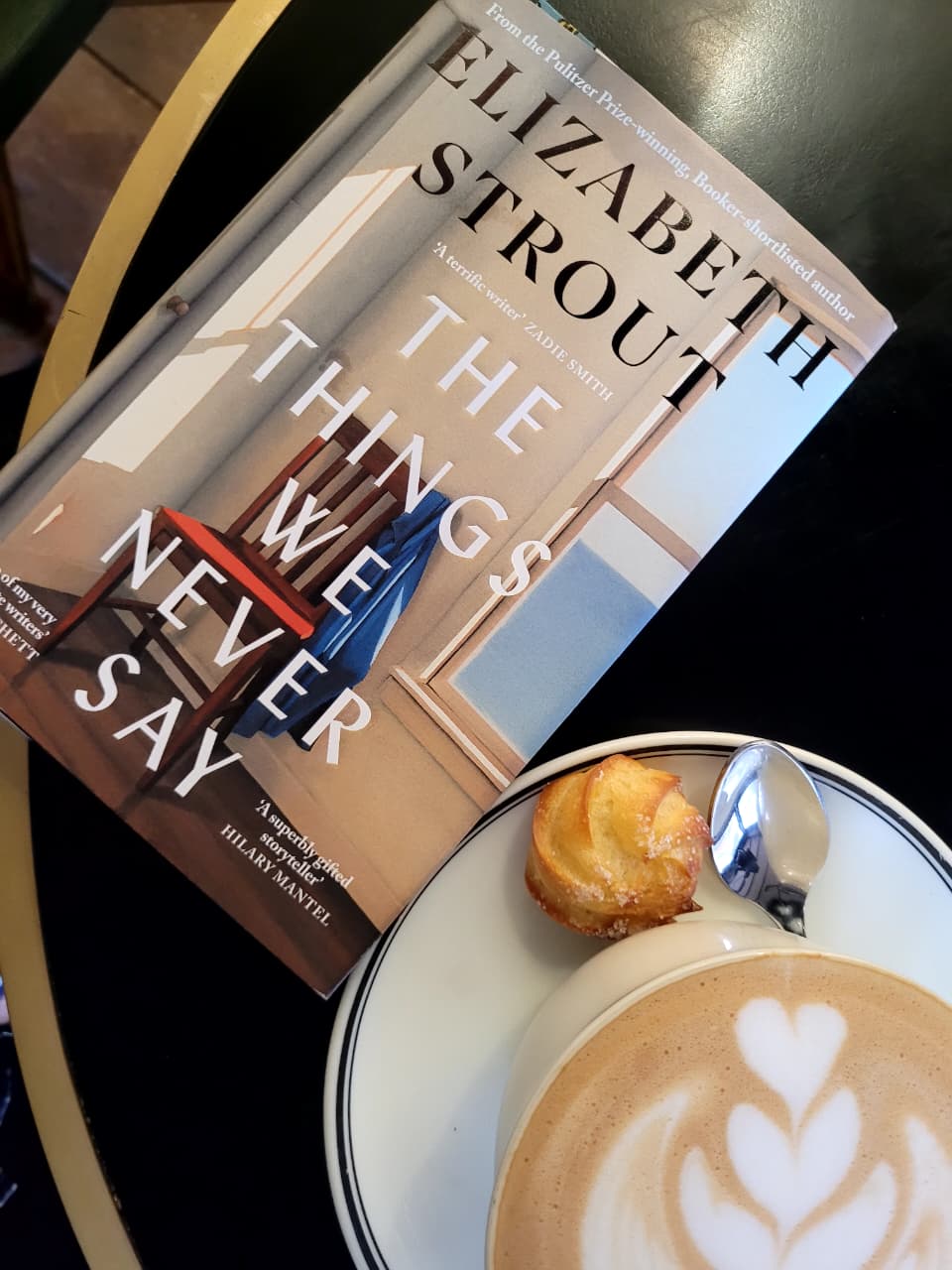
Post Number 89: The banality of perpetual niceness (in Ann Patchett’s ‘Whistler’)

“Everybody lives,” Eddie said, because the creation of narrative tension was not his objective.’

That pretty much summarises Ann Patchett’s ‘Whistler’. 

Ambling through the Metropolitan Museum of Modern Art, 53 year-old Daphne senses that a stranger is following her. When he reveals himself to be Eddie Triplett, a man who used to be briefly married to her mother, the revelation unleashes a dam of memories from her childhood.

This chance meeting, 44 years after they last saw each other, leads Daphne down a pleasant path of recollections, reconnections, and realisations. What a joy to be reminded at 53 that someone will always see you how you used to be at 9! To piece together a chapter in your history that was nearly forgotten to the ebb and flow of time. 

Eddie Triplett is written to be a dream character. He’s kind, tender, well-read, easygoing, and charming to no end. Who wouldn’t enjoy the company of such a person? He works in publishing, has stacks of books by his bed, treats the children of his (ex)wife as if they are his own, and in the wake of the divorce, when asked to vanish, simply does. This last bit, the disappearing act of a generous man, is it an act of deference or indifference? We never know because Ann Patchett shuts down all possible opportunities for uncomfortable discussions. 

Read More

Post Number 88: What if Home is not a Solace?

(An essay on Homecoming in Marilynne Robinson’s novel ‘Home’)

More book reviews on https://www.instagram.com/abookishpursuit/

“Home. What kinder place could there be on earth, and why did it seem to them all like exile?”

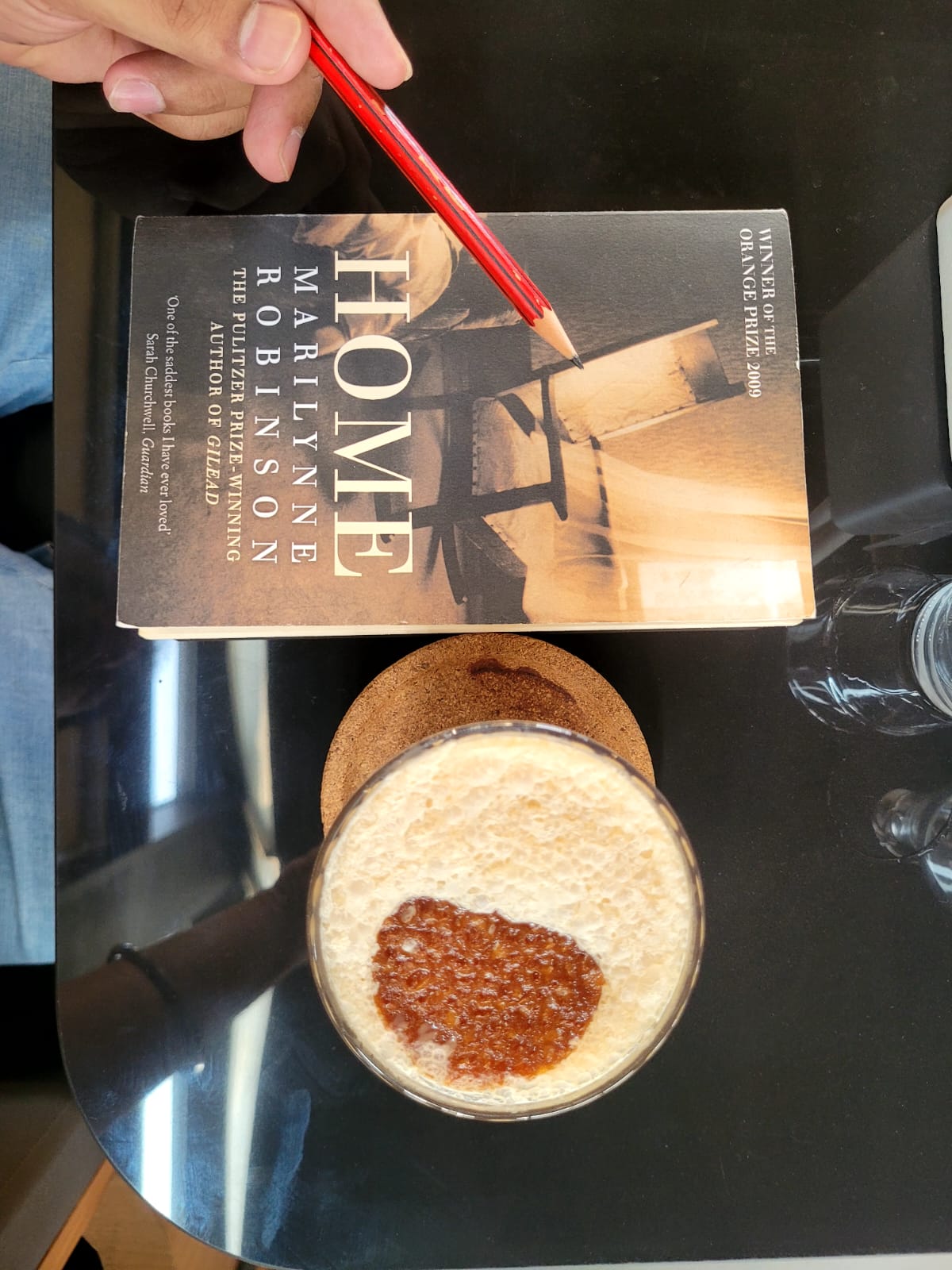
It may sound silly to say that Marilynne Robinson’s ‘Home‘, the second novel in the Gilead quartet, is about what makes a home and how people experience homecoming but that is the truth of it. The book isn’t a sequel as much as a companion novel to ‘Gilead’, a prism through which the circumstances of the first novel are refracted. Set in the same timeframe, it switches its focus onto the Boughton household and its three inhabitants – Reverend Boughton, and two of his middle-aged children, Glory and Jack. 

Rev. Boughton, ailing and in his final years, is delighted to have his home graced by the children’s presence, unaware of the disappointments that have propelled them back. Glory is escaping the embarrassment of being financially duped by her fiancé who was also likely married. Jack has returned after 20 years in self-imposed exile as a struggling alcoholic with a chequered past. 

Read More

Post Number 87: My Week In Not Paris with Deborah Levy

More book reviews on https://www.instagram.com/abookishpursuit/

I have grasped the precursor to enjoying Deborah Levy’s fiction. Problems in her characters’ lives are not to be solved but lived through. With that, I settled into her latest fiction, ‘My Year in Paris with Gertrude Stein’, which follows an unnamed narrator who is temporarily in Paris, and a divorced English woman tasked with writing an essay on Gertrude Stein.

Set in November 2024 against the aftermath of the US elections, it follows our struggling narrator as she juggles a new city, new friends, no lover, a missing cat, mice in her apartment, and an essay that is yet to transfer onto paper.

Read More

Post Number 86: Martyr! and the dream of a meaningful life

“My God, I just remembered that we die.” – Clarice Lispector

Last month I read (and adored) Kaveh Akbar’s novel, Martyr! My friend and I had decided to buddy-read it. It took us longer than we had intended because jobs, travel and illness – all impeded our progress (this dash is not AI, I promise). Nevertheless, we kept peppering our Whatsapp chat with observations and voice notes, thoroughly engaged in Akbar’s fiction. 

Martyr! (exclamation intentional) is the story of Cyrus Shams, a near-30, queer, Iranian poet living in Indiana, USA, recovering from addiction, and desperate to devote himself to a life that has meaning. A globalised denizen with a fleeting connection to his Iranian side, Cyrus is very much at a crossroads in his life. Still processing the senselessness of his mother’s passing in the shooting of the Iran Air Flight 655 (which I was horrified to learn was a real event), he is obsessed with death, dying, and the ideas that propel people to sacrificing themselves. 

Read More

Post Number 85: Are You A “Real Reader” If You Jump For Free Books?

The 2026 edition of the World Book Fair in Delhi saw a footfall of two million. I contributed twice to that falling of the feet. I went twice, not that I hopped twice at the entrance to fudge the count. This is a weird start. The book fair was a success since I purchased a ton of titles and received sturdy tote bags to carry home. I also resisted the urge to eat cold junk food at the stalls by going to Pandara Road and having hot junk food there (#health).

I have gone to the book fair pretty much every year since 2010 yet every year I’m surprised at the strength. I go for the books and when I browse them, I tend to be like Bradley Cooper in ‘Limitless’. But when strangers keep crossing you every two seconds, not only does your focus suffer, you eavesdrop even when you don’t want to. You hear people pick up titles and moan that they could buy it on Amazon (so why’d you come?) or uncles who list all the stories of Chughtai they have read so they only want a book which features the rest or college students collectivizing their wallets and banishing titles five steps away from the billing counter or people on a date discussing their literary tastes (he was a Simon Sinek and self-help dude, she was an Ali Hazelwood and Korean thrillers gal.)

Read More

Post Number 83: Slouching Towards Mediocrity

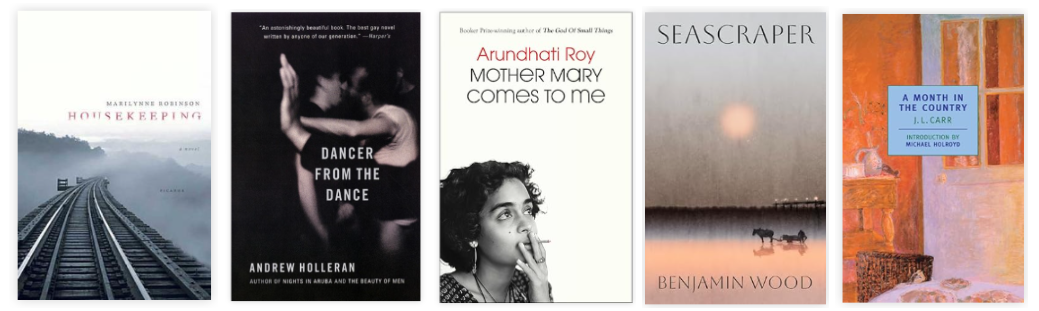
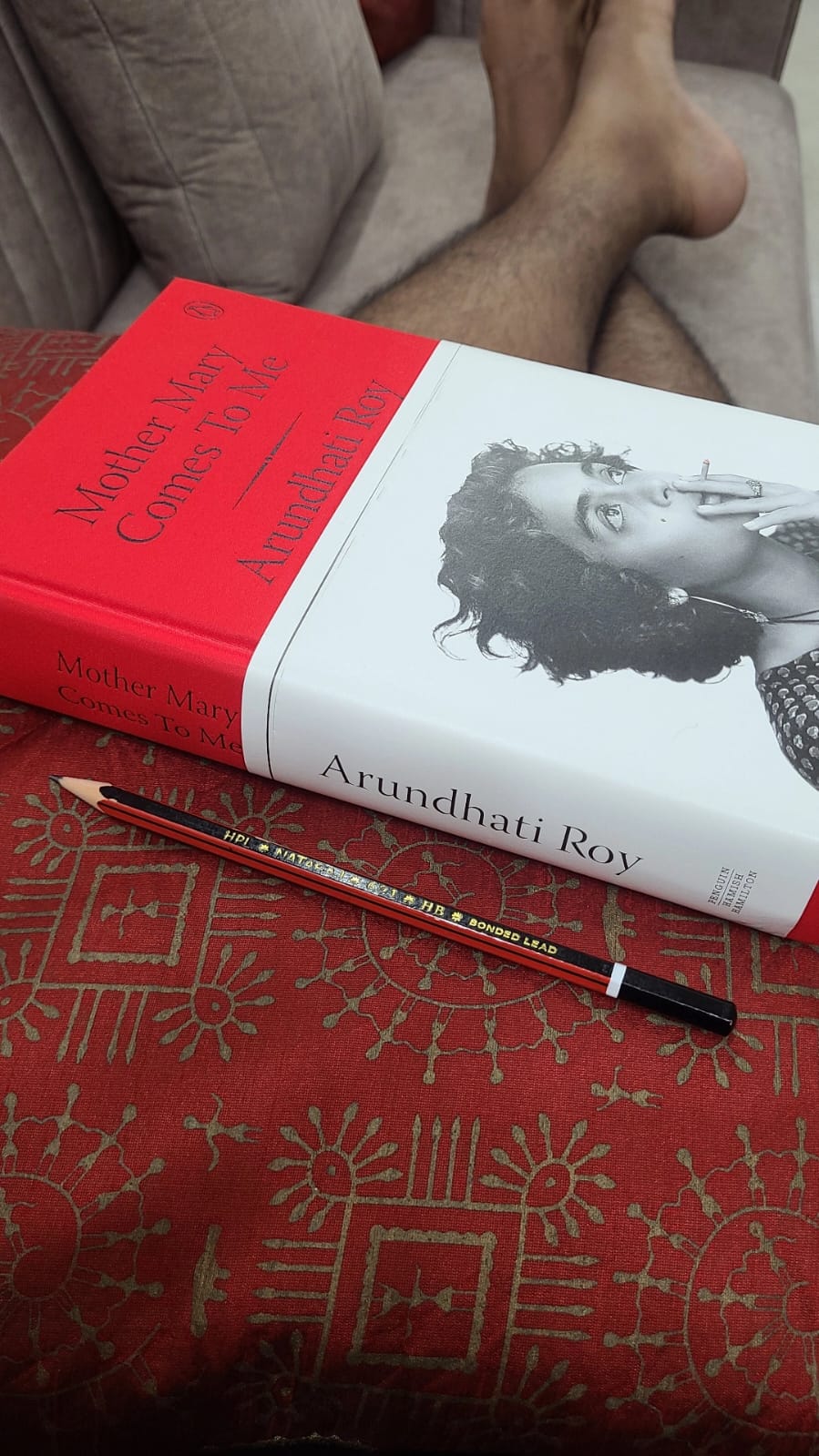
I spent the last two weeks reading Arundhati Roy’s memoir ‘Mother Mary Comes To Me’. It is a fabulous book written at the confluence of memory, identity, and literature. She captures the push-and-pull of growing up under a mercurial parent with microscopic clarity. She was raised by a firecracker of a personality in her mother (named Mary) who was an outspoken, combative, feminist divorcée in a time when it wasn’t ideal to be any of those things. I was drawn to Arundhati’s story, particularly the ages at which her milestone events occurred. Left home at 16. Married at 17. Divorced at 21. Remarried at 23. National Award at 27. Booker Prize at 36. 

I have always found it fascinating to map the age at which someone’s big moment(s) happened. For a while, it was simply an idiosyncratic fad. Now, this habit is yielding an unexpected consequence – it is behaving as a clarion call from the great beyond.

Read More

Post Number 81: Fleeting Fragments of Japan

I had the opportunity to revisit Japan after nearly 2 years. My friend, Karan, and I had planned this vacation to coincide with the cherry blossom (sakura) season. Armed with past familiarity, we decided on a blend of new experiences and the comfort of previous haunts. Because we were going back as experienced tourists, we had learnt our lessons with regards to carrying luggage, walking long distances, having to rely on gestures and hands to communicate, and taking a mix of local trains, metros, and Shinkansens (bullet trains) to navigate the cities. I won’t bore you with a day-by-day breakdown, a conventional travelogue, if you will, but I do want to share fleeting thoughts I documented in my journal. 

Read More

Post Number 79: A Room With A View

[Waking up in Florence]

It was pleasant to wake up in Florence, to open the eyes upon a bright bare room, with a floor of red tiles which look clean though they are not; with a painted ceiling whereon pink griffins and blue amorini sport in a forest of yellow violins and bassoons. It was pleasant, too, to fling wide the windows, pinching the fingers in unfamiliar fastenings, to lean out into sunshine with beautiful hills and trees and marble churches opposite, and, close below, the Arno, gurgling against the embankment of the road.”

Thus wake up Lucy Honeychurch and Charlotte Bartlett, the characters from E.M Forster’s ‘A room with a view’, in an Italian pension but not without causing a scene at the dinner table that leads them to this serene view. The story, more focused on Lucy, makes the reader see how this excursion to Italy was to forever alter her outlook on life. A couple of weeks away from England, and Lucy returns to find the mores of her social circles stifling. Florence, and by extension Italy now flutters across her mind like a representation of everything that signified independence and romance. Though the story takes a different, a more conventional angle of a romance eventually, this initial section of the novel, ‘Lucy as a tourist’, made me think of the rooms with a view that I had inhabited during my travels.

Read More