I had the opportunity to revisit Japan after nearly 2 years. My friend, Karan, and I had planned this vacation to coincide with the cherry blossom (sakura) season. Armed with past familiarity, we decided on a blend of new experiences and the comfort of previous haunts. Because we were going back as experienced tourists, we had learnt our lessons with regards to carrying luggage, walking long distances, having to rely on gestures and hands to communicate, and taking a mix of local trains, metros, and Shinkansens (bullet trains) to navigate the cities. I won’t bore you with a day-by-day breakdown, a conventional travelogue, if you will, but I do want to share fleeting thoughts I documented in my journal.
The Absurdity of Flight Schedules
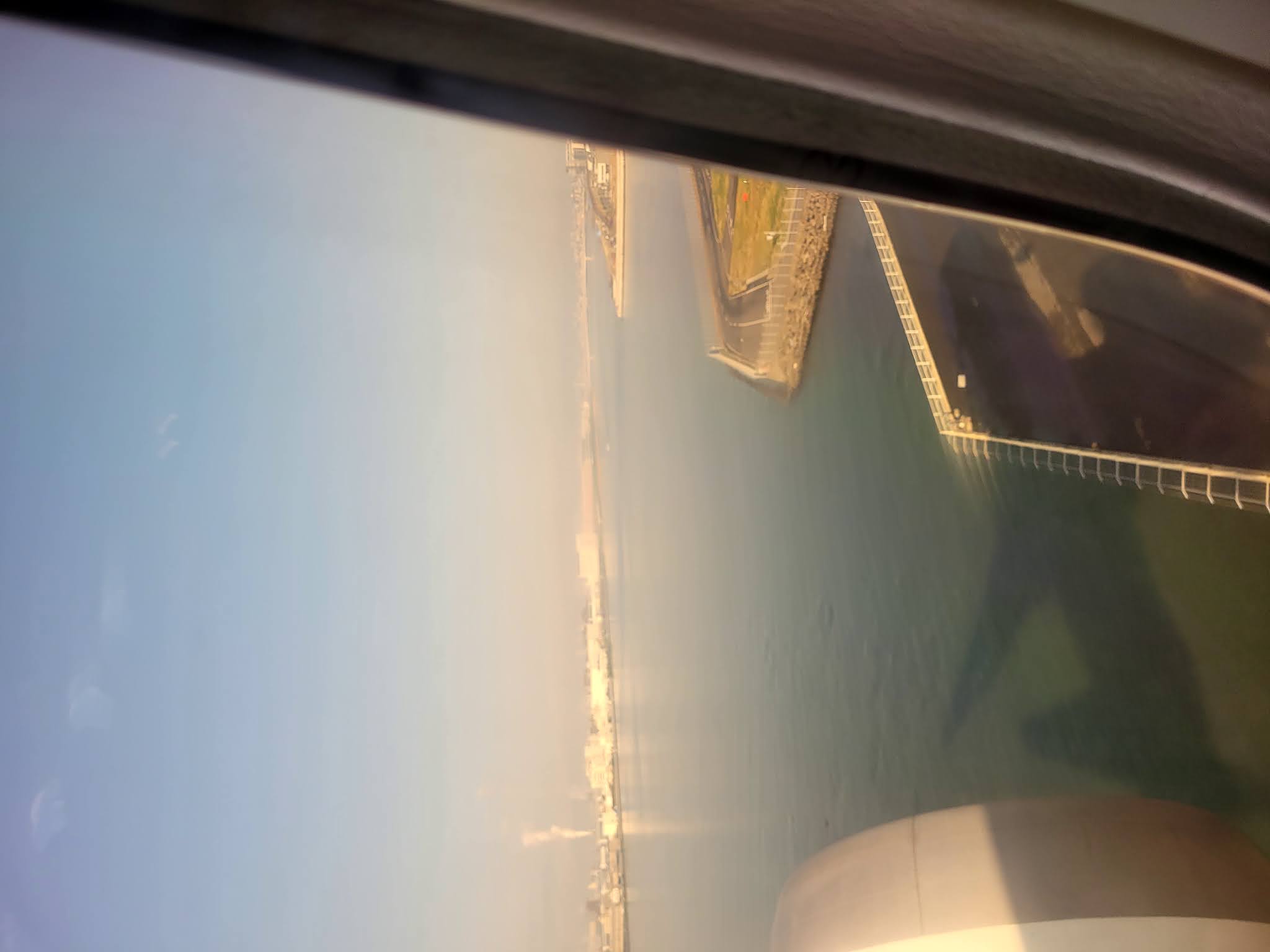
We took a red-eye flight from Delhi which landed in Tokyo early in the morning. I do not sleep well on buses, trains, and flights, and deeply envy those who can contort their bodies into the seats and doze off. Per usual, I was drifting in and out of semi-sleep, unable to find a position that didn’t hurt my neck for long. We had had a big meal and I was barely 40 minutes into a glorious nap when the lights came on and the airhostesses started serving breakfast. I glanced at my watch to see that it was 2:30 AM. Who the hell was even hungry at this hour? I calculated that it was 6 AM in Tokyo but we were somewhere in between Delhi and Tokyo so it made no sense why a meal would be given at that hour. Not to mention that it was so heavy on sweetness, containing croissant, yoghurt, dessert, and jam to spread on a slice of bread. You could also opt for juice. It was a diabetic’s nightmare. I sighed and collected my tray. I couldn’t sleep afterwards.
The Holy Grail of Adulthood – Hydration and Sleep
We had so planned our first day that as we landed in Tokyo around 9 AM, we would have to reach Nagoya by 6 PM, and check-in late night (for reasons neither of us understood until we reached the hotel). By the time we had done the bare basics at the airport – bought a SIM for internet access, recharged phones, freshened up, I could feel the lack of water and sleep kicking in. I have never been able to function well on less sleep. We reached the main area of Tokyo city where we put our luggage in a locker and grabbed a heavy meal. The coffee kicked in but I could feel my body wanting to rest.
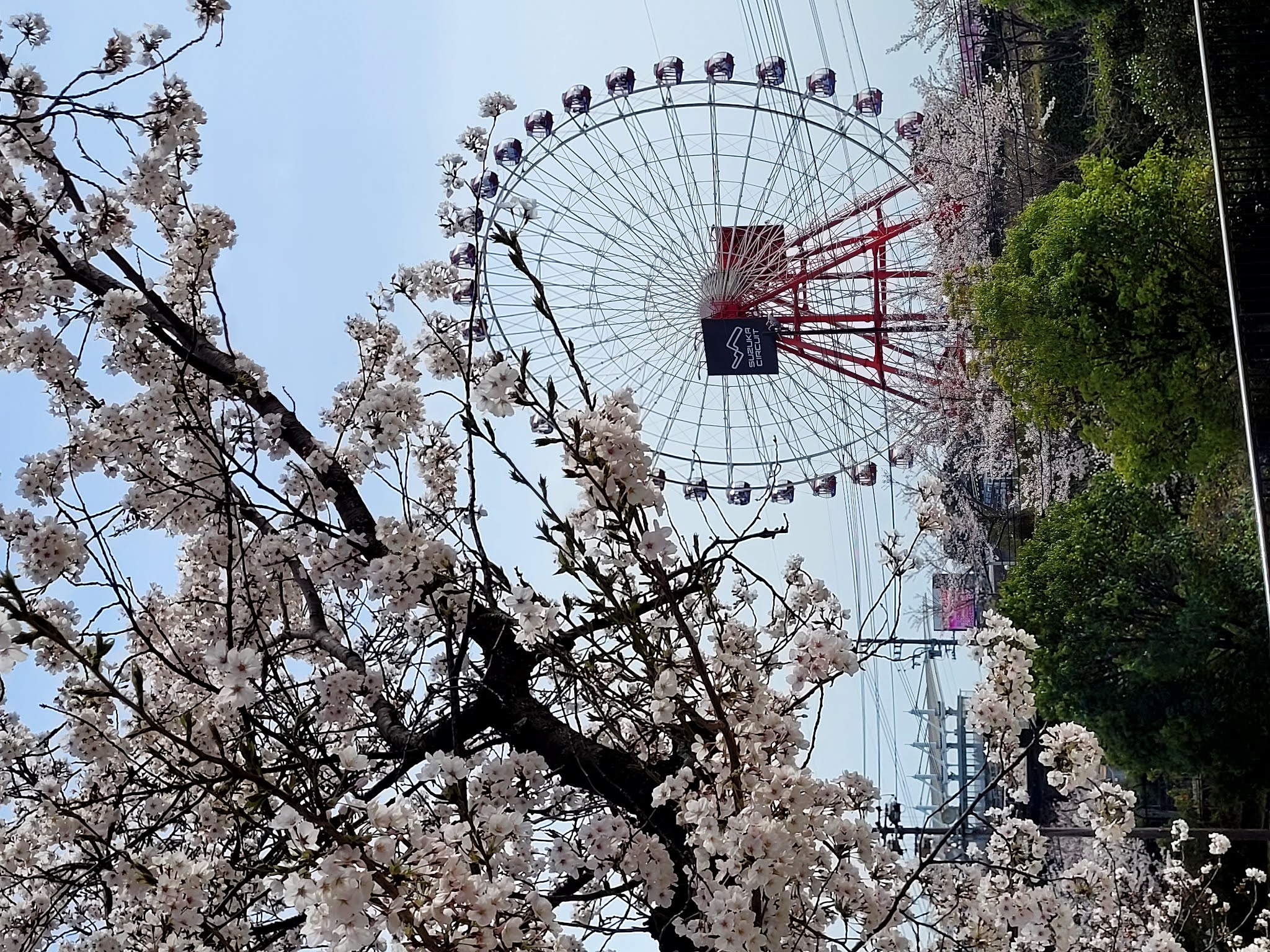
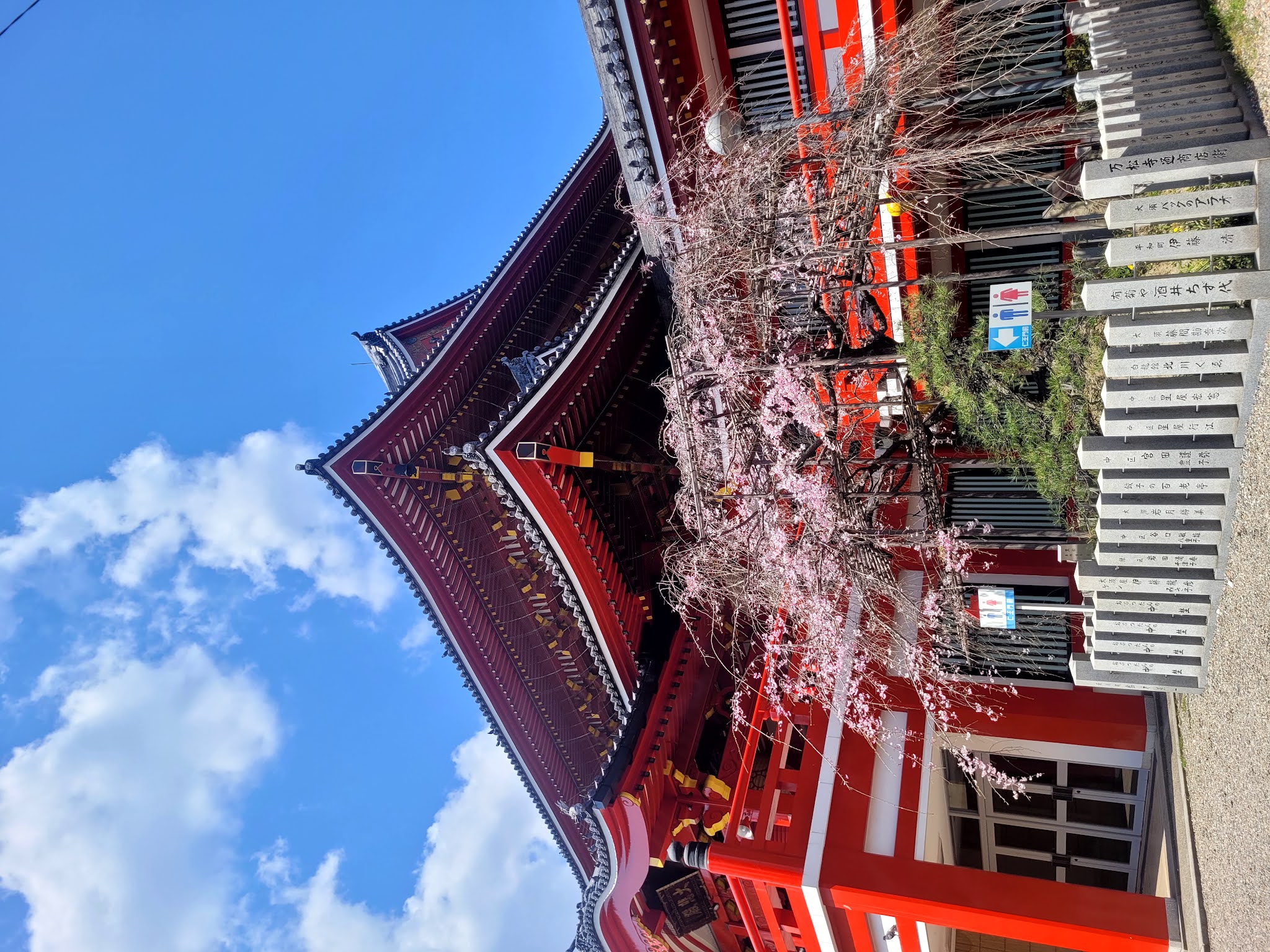
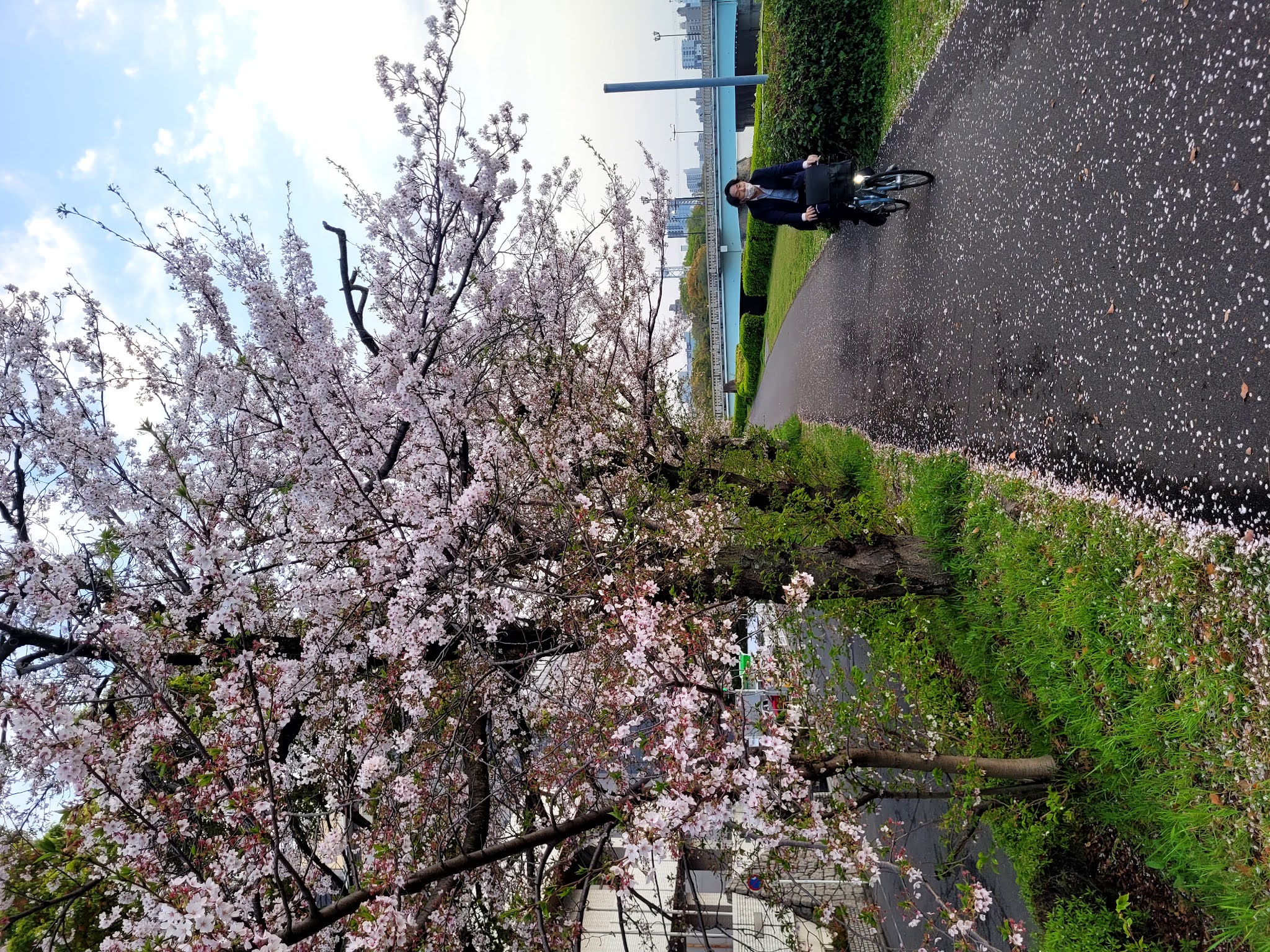
Too tired to explore, we decided to go to Nagoya early and figure out how to kill time there. On the shinkansen, I gratefully dozed off and woke up refreshed from the nap. We reached our hotel, deposited our luggage and walked to a nearby market, charged by the feeling of being back and surrounded by sakura trees, as the wind blew and some petals fell on us.
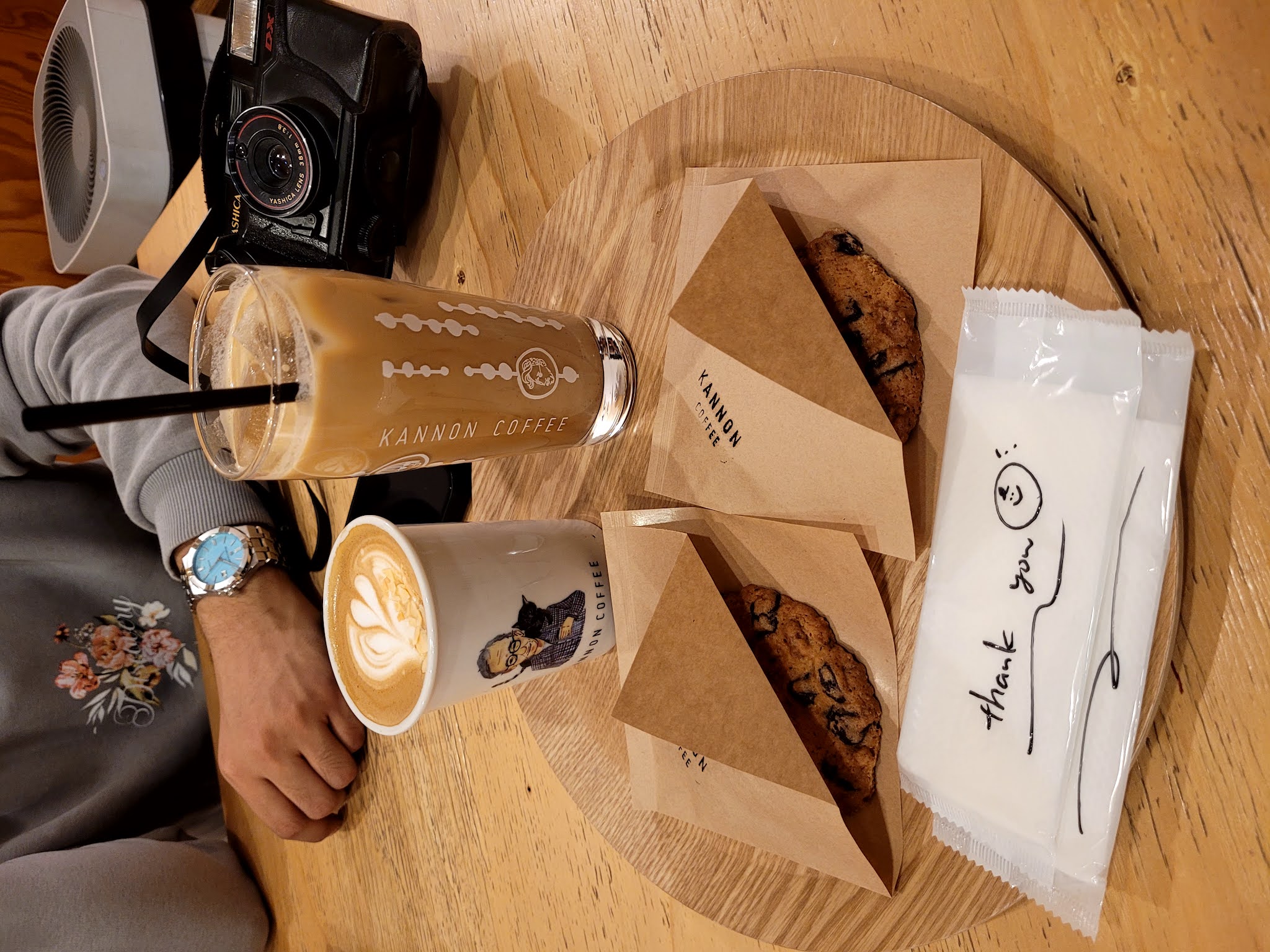
We located a well-reviewed artisanal coffee shop and tried their local brew. While Karan rested, I took a walk around the marketplace, assessing if it was worth returning to the next day (it was). By now, I could feel my pulse racing and realised that I needed ample water and a bed immediately. The second coffee was a terrible decision. Karan and I decided to walk back to the hotel, a 20 minute walk, but the wind was chilly and neither of us felt warm enough to brace it. Not willing to risk illness, begrudgingly, we booked an expensive cab and reached our hotel to realise that we had to wait another hour. I recall wanting to collapse on the waiting lounge sofa in the hotel. They gave us our room and I chuckled at its gaudiness. Although it was a legitimate hotel with families and travelers from other countries staying, I realised that the hotel also provided opportunities to couples for “amorous liaisons”. Hence, the late check-in and the tacky wallpapers in the room.
I downed a bottle of water and crashed but all night I could feel my heart racing and a particular twitching in my legs. I willed myself to rest with more water. I woke up the next morning reborn. The regenerative capacity of sleep is witchcraft.
A Spirit of Connection – Watching F1 in Suzuka Circuit
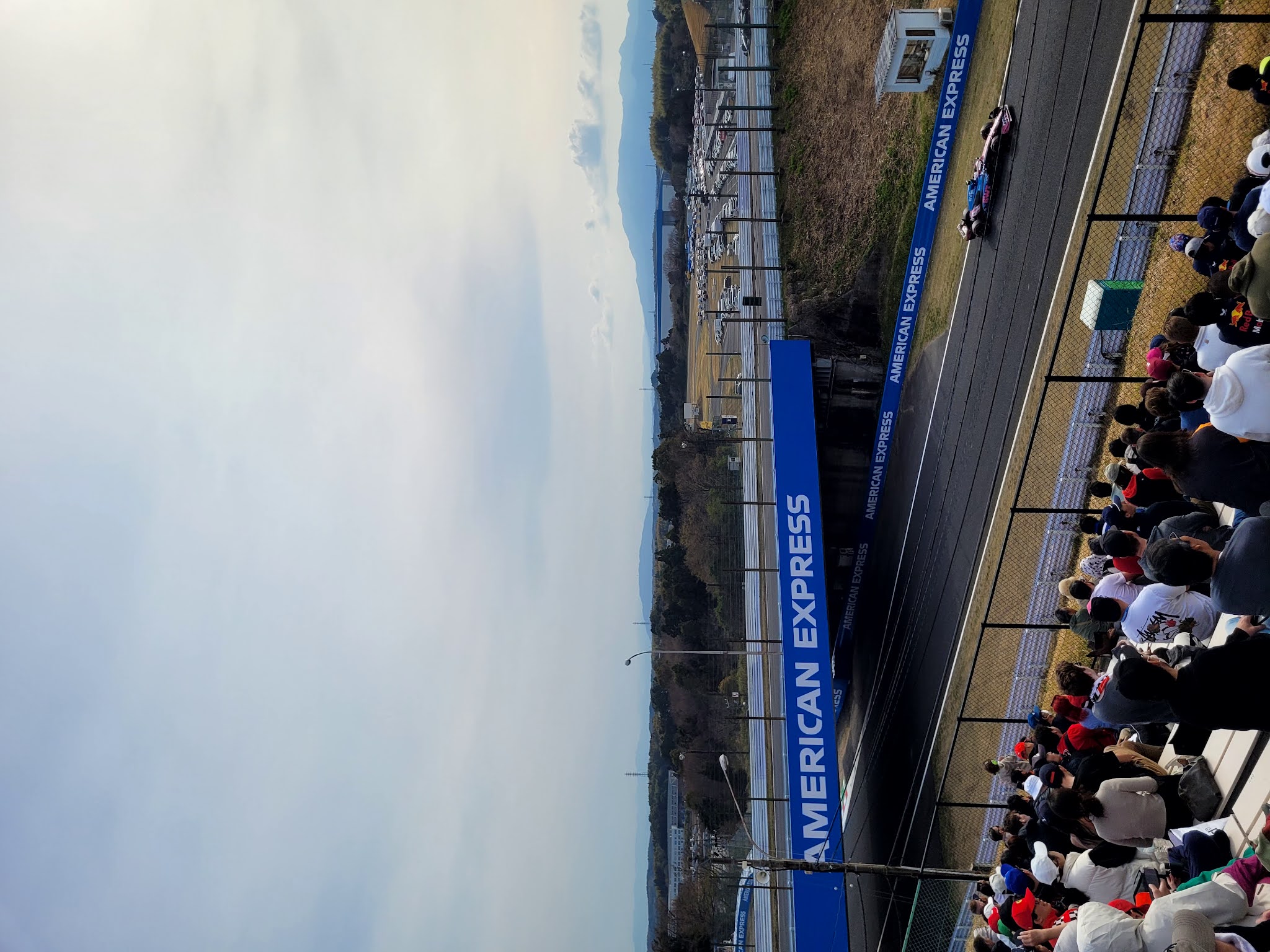
We stayed in Nagoya to witness the Japan Grand Prix in a nearby city, Suzuka, which was an hour away. As someone who never watched the sport, I was curious to experience it. We reached Suzuka and I realised that the Grand Prix was the ONLY thing that was pulling the crowd there. The venue was overflowing with people and there were incredible lines for getting anything – merchandise, food, rides and what not. As we found a grassy knoll for ourselves, I looked around at people decked in the clothes of the teams that they supported. The nature of the sport is such that you can only see the cars whoosh by for 3-4 seconds in every lap. You have to track the race elsewhere to experience it in its entirety. But people were so invested that they not only kept up with each lap (I gave up minutes into the race) but they vocally cheered and clapped for their favourites, and gasped for accidents.
I have never been a fan of team sports and my record at keeping up with them has been dodgy at best. I do not know what is this spirit of connection that looms above individuals and connects them via the medium of sport. I have not felt so in sync with another human’s story that I invested time, energy, and money to turn up to support them but something about it speaks to me, and to that idea of shared humanity that I happen to find in fiction. Perhaps there is a parallel to be made there? How fascinating to care for a stranger’s success with such passion.
A Love for Queuing, A Lesson in Patience
As we decided to return to Nagoya after the race, the shuttle service to take us to the train station had a signboard that said the waiting time was going to be 80 minutes. We checked that there were no cabs around. If we had to walk all the way back to the train station, it would also take us 80 minutes or so. If there is one thing that the Japanese have mastered, it is the art of queuing patiently. Since neither patience nor queuing works well in India, I wondered what is in their culture that not only inculcates this habit but also the trust behind it. Because if you queue up and wait for your turn in every aspect of your life, you can only do it calmly if you are assured that you will not be cheated, that someone will not cut in between, that the thing that you are waiting for will not run out or be snatched away by someone else in power. I suppose it is a matter of trusting the institutions. All the time that we were there, we never saw anyone cut a line. Everyone waited for 80 or so minutes until their bus came, and they were dropped at the train station. And to the credit of the Japanese organizers, it was, in fact, (almost) 80 minutes. It was not a misplaced estimate. I thought it was so respectful of everyone’s time, a trait that we sorely lack here.
The Global Success of Italian Cuisine
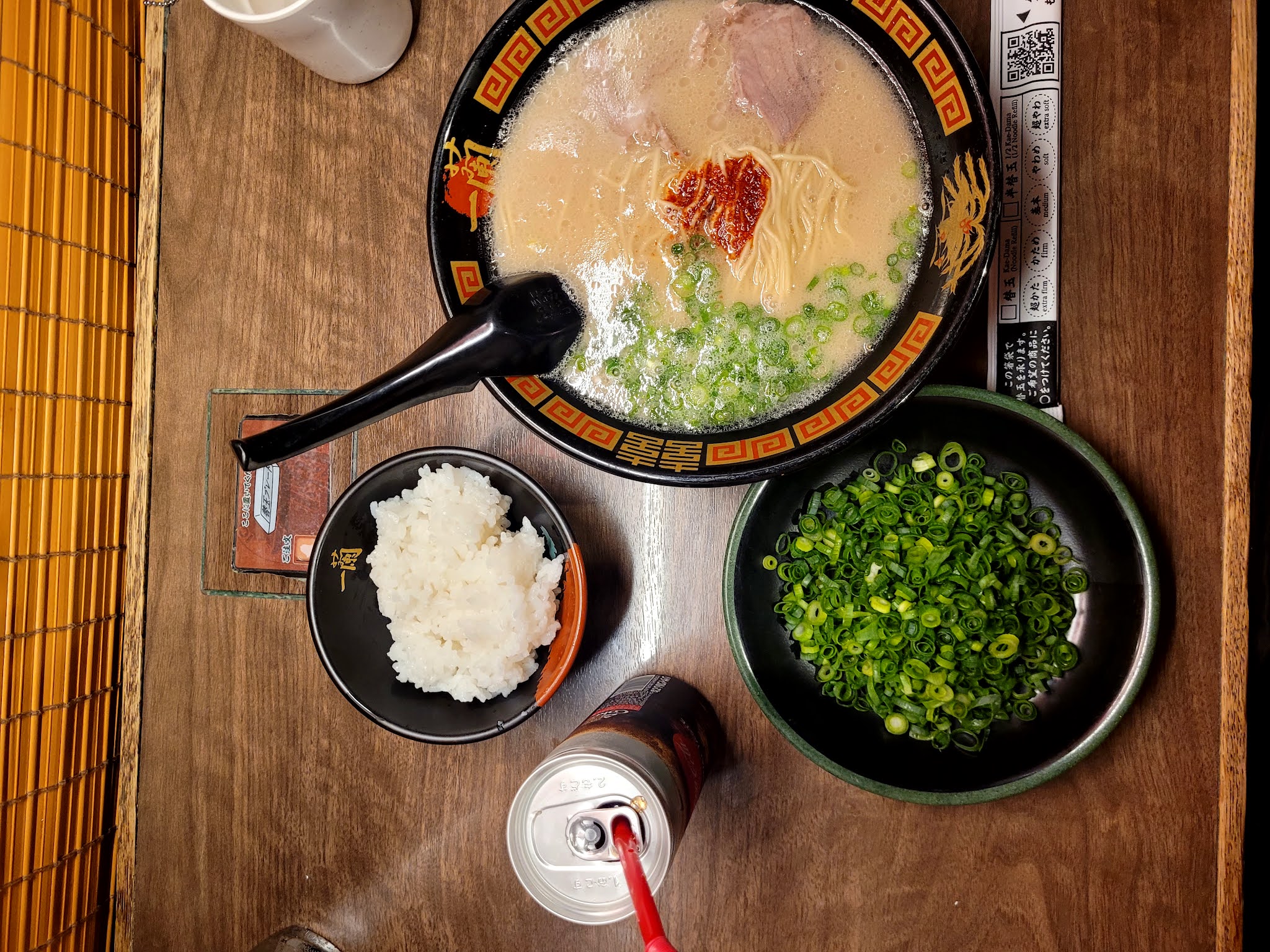
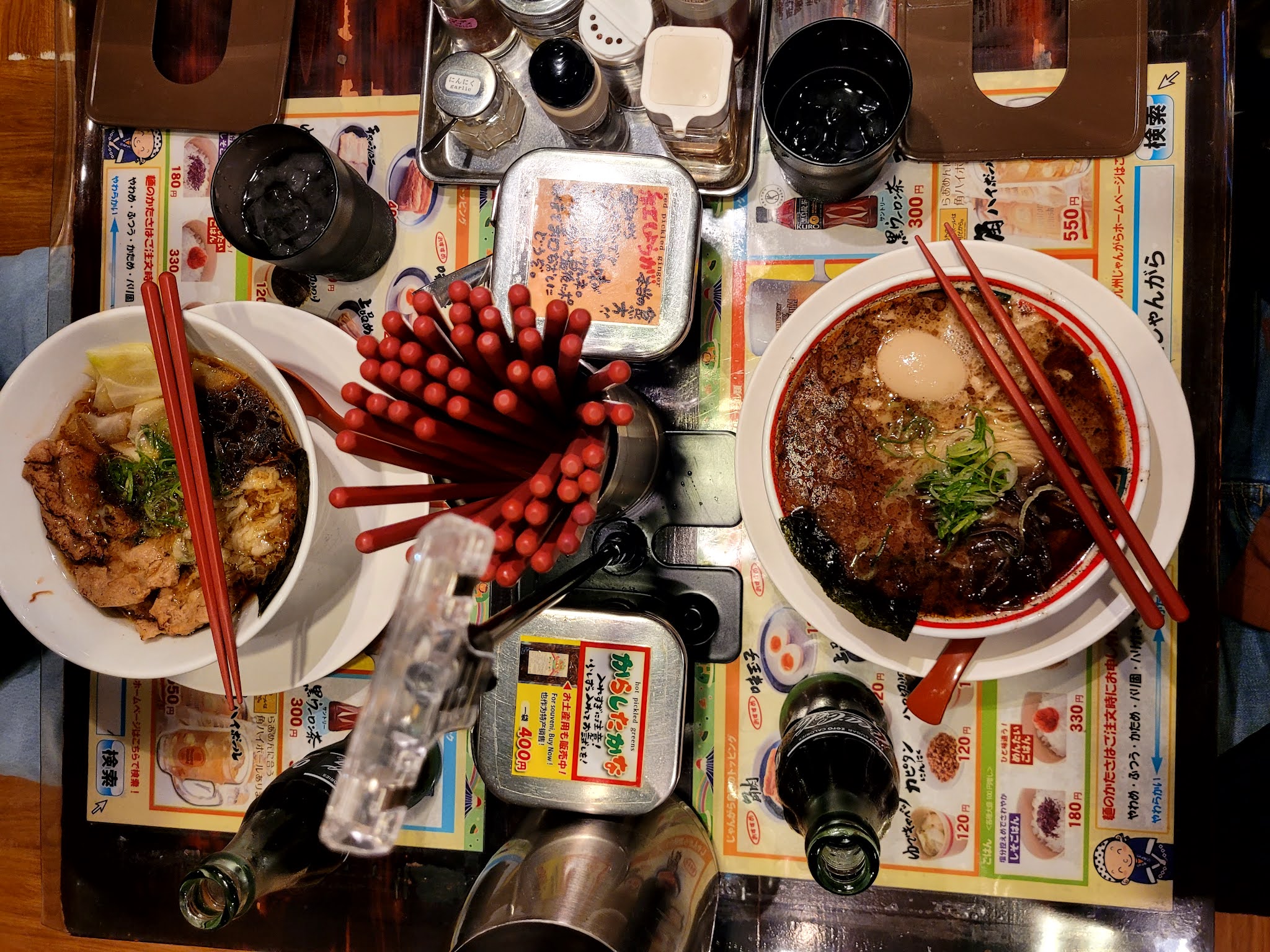
As we traveled, we ate enough ramen and eventually got bored of it. As healthy as it was, neither of us found it a filling meal. While other cuisines, including Indian, were available in many cafes across the cities, it was the pervasiveness of pizza and pasta that struck me. Why are these Italian exports so successful globally that even in parts of the world where not a word of English or Italian is spoken, the economic incentives have trained cafe owners to cook and bake them to satisfaction. Literally every other street was serving pizza or pasta. And they were a reliable go-to meal to feel full and to power through the day if you knew that you wouldn’t be able to take a break for a few hours.
The Cost of Immigration
On three separate occasions and in three different cities (Nara, Osaka, Tokyo), we bumped into someone who spoke Hindi and had migrated to Japan in the search for a better future. They were working part-time to support their education, and also sending money back home. All of them spoke to us in Hindi, emphasizing how nice it was to be able to speak in a common language. They hadn’t had a chance to go back home so perhaps such transient interactions were their tether. Whenever I have traveled and stayed somewhere for too long, I have noticed that I tend to speak Hindi far more fluently than when I am home. It allows me to speak in public without fear of being overheard so I immerse myself even more. Languages are so important to keep yourself moored to a place. And in most places, it is the first thing that you have to wipe over and relearn when you step outside your home.
Treating your Inner Kid
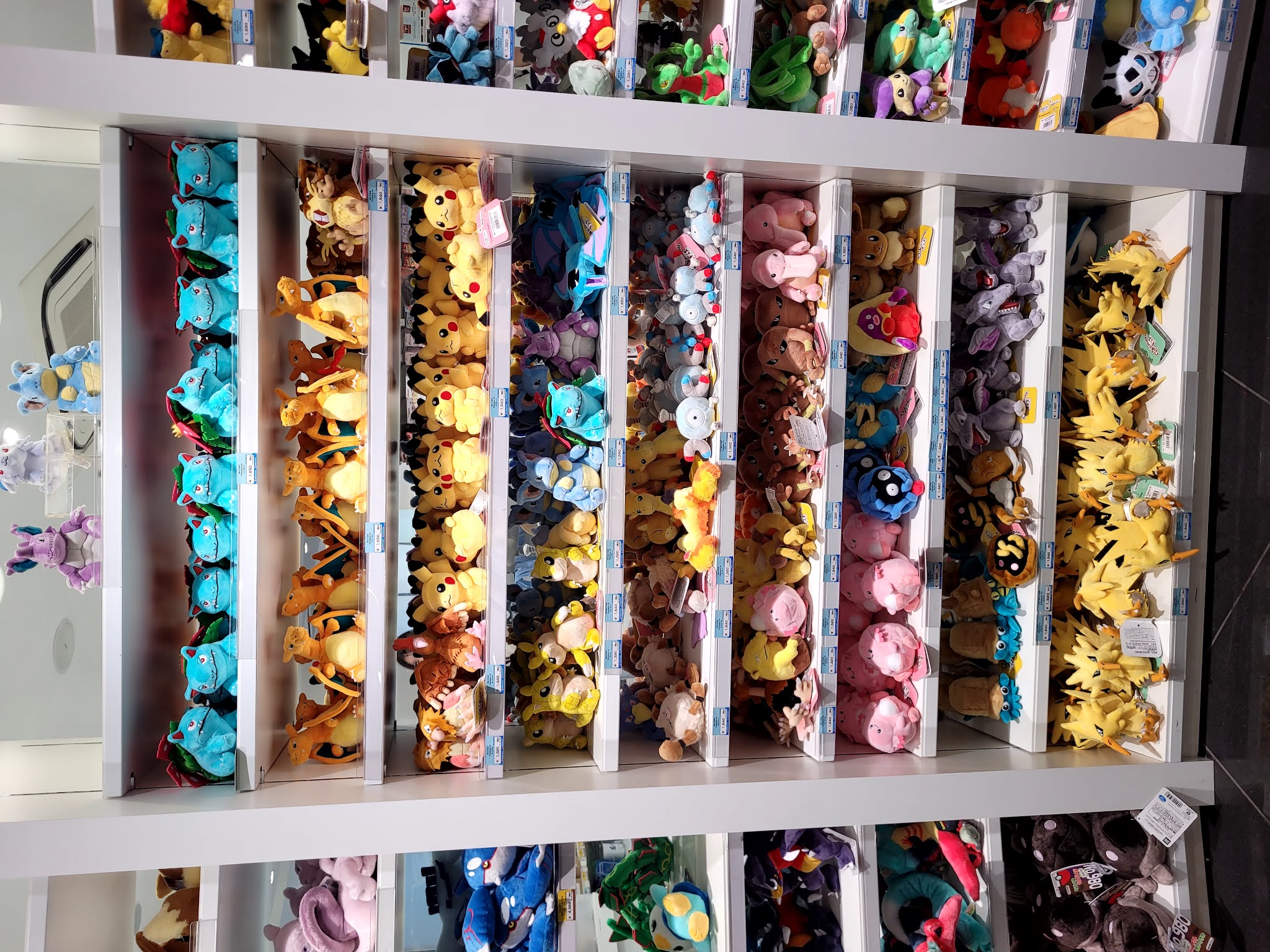
There is something to be said about staying in touch with your inner child, not childishness, mind you. There are fragments of my childhood hobbies that only survive in my memory, having long outgrown them in the years that have gone by. But what a privilege to be able to treat that child in you. We visited the Pokemon Center in Tokyo where both Karan and I were outdoing the kids in picking up toys and merchandise. Back when I used to watch the show, this breadth of memorabilia did not exist in the market. Or if it did, it was outside the confines of my life’s reach which went only up till the shiny, new malls that were coming up in Delhi. One of the advantages of being an adult who earns his own money is the discretion to spend it. I have, once or twice, thought what it must seem to those in my extended family to see me, a nearly 30 year old “kid”, filling up his room with knick knacks. But it is a joy so simple in its innocence that I do not feel the need to rationalize it. There is a kid in me that gets a kick out of reliving a time gone by. It’s not a big price to pay if the cost for it is a stuffed toy.
The Danger of a Single Story
I was lucky enough to travel to Hiroshima this time around. I had desired to do it the previous go as well but a typhoon had struck Japan and halted movement for the days that I was in Osaka. This time it also rained the minute we stepped from Osaka to reach Hiroshima. It felt appropriate.
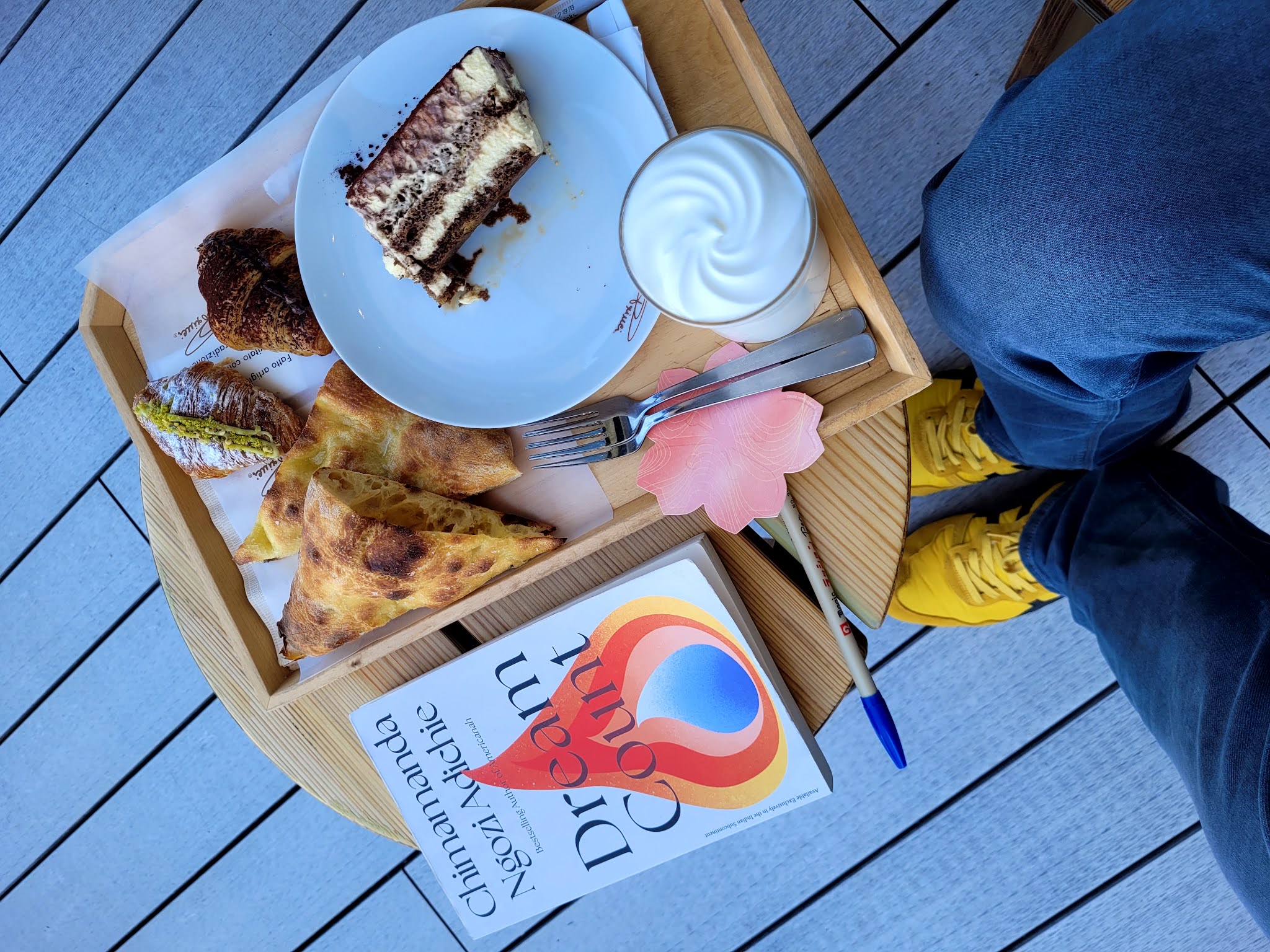
There is a TED talk by the Nigerian writer, Chimamanda Ngozi Adichie called The Danger of a Single Story. I had been reading her latest novel, Dream Count, throughout the trip, and this talk was at the back of my mind since I had recently mentioned it to a friend. In it, she shares how our worldview stands to be stunted if we only see or know a single story of a place or a people. Reduced to that solitary version, their humanity is flattened to a caricature.
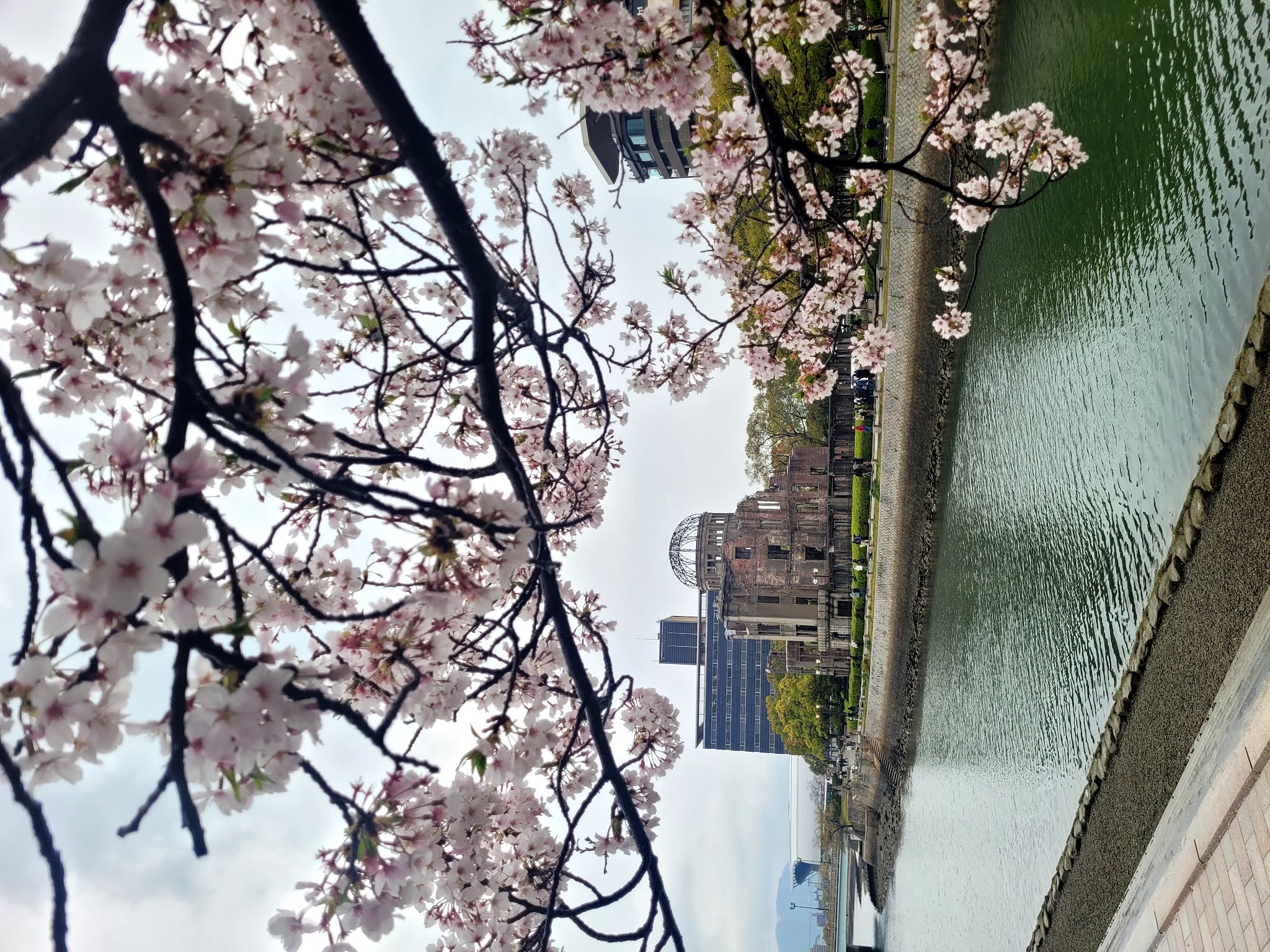
I say this because I expected Hiroshima to be this drab city dripping with melancholy, its gray buildings burdened with the horrors of the past. But when I stepped out, I was surprised at the beauty of the city. Right outside the memorial for the atom bomb, a river flowed and on either side of it were lines of cherry blossom trees blowing petals as people walked and cycled by. The orange of the sun pierced through the vanishing gray clouds, and a pleasant wind blew in the 15 degree Celsius weather.
I was guilty of falling for the single story. Having known it only for what happened on August 6, 1945, I could not think of Hiroshima as a city of beauty where families lived and kids dreamed and lovers walked together and businesses flourished. What a welcome slap in the face it was for me!
The Importance of Good Public Transit
This is not unique to Japan but it is well-integrated in their city networks. The only time(s) we took a cab was when we were dead tired or had tons of luggage to take to/from the train station. The mix of bus-train-metro-bullet train network was so well designed and made easy to pay for via their Suica/Pasmo cards, that we made our way through cities with supreme ease. Everything that we had to visit was, at most, a 10-minute walk from a bus or metro station. And without realizing it, we would end up walking up to 15,000 steps daily. That is a testament to good planning. While Delhi metro is also well connected and easy to navigate, I have struggled to board buses here, out of an archaic fear of safety stemming from college days where many friends I knew were pickpocketed or almost pickpocketed.
The Allure of Capitalist Splurging
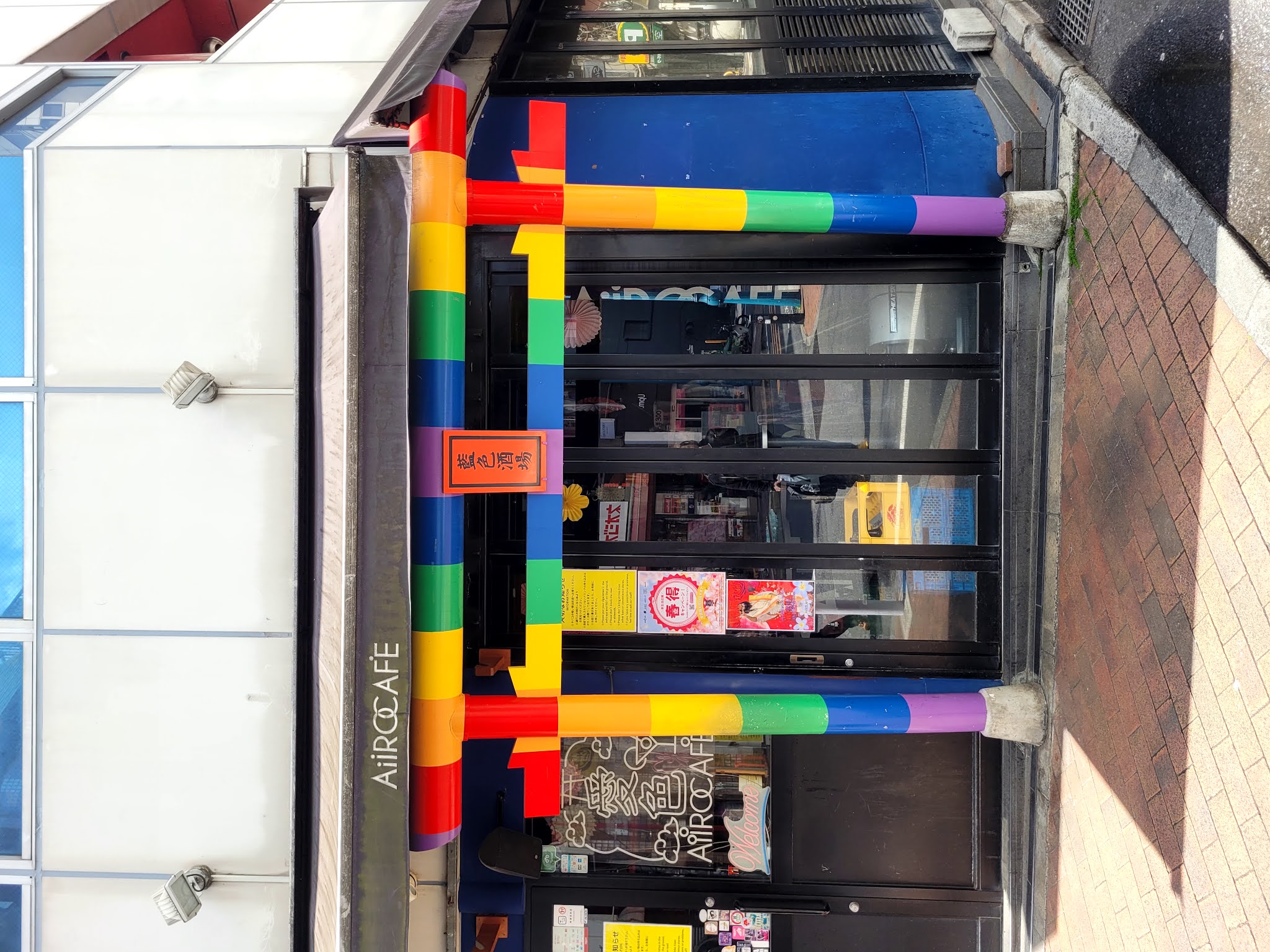
To call Tokyo a sensory overload is an understatement. If you get the chance to experience it, I would recommend just standing at a crossing in Shinjuku or Shibuya at night time. Cafes-restaurants-bars-karaoke-clubs-stores-malls-toys-grocery-conveniencestores-luxurybrands – it is an overwhelming surge of stimulation. Especially when you add to it the waves of people walking in different directions, somehow avoiding bumping into each other. There are banners of animated cats at the red light, a man busking heavy metal music, some (what I can assume are) pimps trying to lure you into seedy lanes with veiled promises of sex and massages, and a veneer of rampant commercialism on the surface of this metropolitan city. It is all there for a price. The city demands you to whip out your wallet.
Man, People have MONEYYY to Spend
Tokyo is notorious for being a shopper’s paradise but I did not expect nearly every store there to be full of customers queuing up to swipe their cards. From clothing outlets to stationery shops to bookstores to shoe brands to electronics, you name it, people were buying it. It is one thing to step into a specific store that happens to be busy during a time of the year but to have it happen city wide, and to see the number of bags that people were carrying with them impressed me with the amount of disposable income people had at their, well, disposal. While walking to an Onitsuka Tiger store, my eyes fell on a multicolored Tommy Hilfiger jacket. As we entered the store, the employee quickly surveyed us top to bottom. I’m sure he was trained to do so, to determine if we were casually browsing or were capable of buying clothes there. Satisfied, he proceeded to tell us about the limited edition of the jacket but I had already tuned him out when I saw that it was priced at 80,000 yen (~48,000 INR). As we walked away, Karan caught him snickering. It was a sweet jacket though.
The Internet is Incredible
My disdain for social media aside, one that comes and goes in waves, I cannot believe the magnitude of convenience that sits in our palm these days. We planned the entire trip using our phones, and any modification to our itinerary occurred within minutes as we typed buttons and redirected ourselves to a new place, a cafe, a monument, a park, a bookstore, whatever. What a privilege to not have to spend hours wondering if you will reach the place that you wish to reach. We could switch metro lines in the middle, take different buses at the same stand, and abandon it all to walk, fully confident in our ability to conserve the one precious thing in any vacation which is time.
My family members tell me incidents from decades ago where they had to rely so much on the kindness and goodwill of strangers to guide them correctly. I know there is a charm in being lost on a trip, and in ambling without ambition, but when you are taking a walk alone at 10 PM in the night where the path leads you through suburbs where only solitary houses are lit up, and there are stretches of road where it’s just you, and the silence so palpable that the only sounds are the babbling of the town canal and the squish of your shoes, the navigable map that counts down the metres and minutes is more than a convenience.
And it is the incredible internet that is allowing me to share this with you, something that lay scattered in my journal but will be digitally transmitted to those that I didn’t even imagine was possible. If you have made it down here, thank you for your time. And if there is a thought that you have had during your travels, I would love to read it below.


Superb . Keep writing Chaitanya.
LikeLiked by 1 person
Thank you so much for reading, Aunty. Hope you are doing well!
LikeLike
I love the way you write, this was so engaging yet calming to read.
LikeLiked by 1 person
Thank you so much for reading and for the kind comment!
LikeLike