An essay exploring the modern culture of celebrity worship.
*Slight Spoilers for Watchmen, HBO Series*
Last week, I wrapped up my binge of the HBO series, Watchmen. The show (which is excellent, if a little convoluted) had many complex characters. My favourite was FBI agent Laurie Blake, member of the Anti-Vigilante Task Force. Laurie was someone who had lived her life as, with, and around heroes. She embodied layers of paradoxes – she was the younger Silk Spectre, daughter of two superheroes, ex-girlfriend to Dr. Manhattan but she had abandoned her vigilante days to work with the FBI to catch them instead. Despite her disillusionment, she went to those blue phonebooths to leave resentful but hope-filled messages to Dr. Manhattan. The country was full of phonebooths where people voiced their deepest prayers to an omnipotent blue being who’d left for Mars. Holding out for a hero.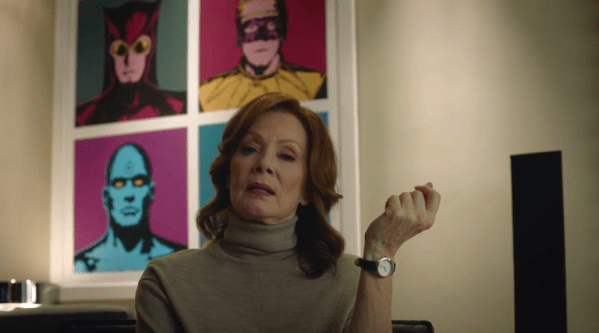
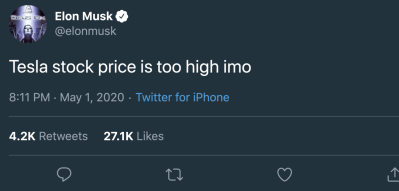
Why do I wish to write about stars, heroes, and idols? Last night, Elon Musk tweeted something about Tesla’s stock being overvalued. Within hours it fell. I don’t know if it was a premeditated move or an attempt to be self-deprecating, or worse, written absent-mindedly. In that thread were stories of people who had much of their life savings in Tesla’s stock and this flippant remark weighed on their finances. Most were disappointed with his behaviour. You can argue that it was financial imprudence or naivete on the investors’ part but can you hold them guilty for having faith in Musk? I’ve heard many a conversations where people eulogize the guy. By most standards, he is a hero. When your faith in your idol shatters, it is a bitter pill to swallow.
That our idols can be flawed is something that should not come as a surprise. Stories have long portrayed the fault in our stars. In Ezra Klein’s podcast with Madeline Miller, he asked her about Greek Mythology. She pointed out that all the gods in the Greek pantheon are people with vices – greed, vanity, arrogance, jealousy. But then I wonder, why do we give them the status of a hero? What do we see in them that is aspirational? Is it the power they possess? A strong sense of ambition? A desire to reach for something more than what their status offers? And what do we identify of ourselves in them – the traits that we share, or those that we lack?
My first clear memory of idolizing someone came when I was six and three-quarters. After attending a wedding with my family, I was flipping through channels on the TV. Suddenly I sat and watched in absolute rapture. I had discovered WWE. I had many favourites as a kid but I absolutely adored Trish Stratus. Every Monday I sat in wait as the 5’2” Canadian native would come out to her Li’l Kim theme song, pointing her finger to the sky, and walk down the ramp, wearing a robe that said ‘100% Stratusfaction’. She played a ‘good guy’ so it wasn’t hard to root for her. A year or so later, the storyline switched her so she started acting cocky, cheating a lot, and being straight up evil. That was my first brush with an idol turning on me. You could guess that an 8 year-old’s moral compass was rather black-and-white, and these developments left me in quite a dilemma. How could I support her anymore? In hindsight, it was a formative experience. (PS. She turned babyface again and continued to stay so until her retirement. So the guilt trip worked out well in the end.)
The modern day hero pantheon comprises of celebrities, artists, athletes, billionaires, entrepreneurs, and others. I’m sure that most of us have experienced losing someone from our pantheon for some reason – doping scandals, corruption charges, drug abuse, sexual misconduct, or just being awful people when the cameras are down. If so, do you continue to support them, personality warts and all or do you throw them off the pedestal you placed them on because their sheen has given way to rust?
We live in the time of “cancel culture” but the way in which it manifests is rather obtuse and subject to inexplicable conditions. The second rumours abound of a notable figure embroiled in something murky, Twitter comes out with its pitchforks. Take the serious issue of sexual misconduct. While Harvey Weinstein has been rightly punished for his crimes, Woody Allen continues to find support from mainstream actors and actresses. Even death touches people in different ways. Michael Jackson received the strongest pushback for alleged child abuse post his death but Kobe Bryant was canonized to the extent that you forgot he had a sexual assault case against him.
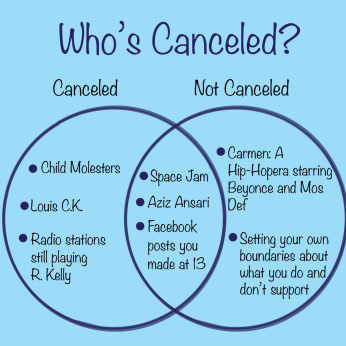
Thus if the fault is not in our stars but in us who treat them as such, then it makes it complicated. Idolization is a one-sided relationship. For those who are written and talked about in detail, they themselves may be oblivious to those who stand for, and against them. And if we’ve taken the mantle to create and extinguish stars as we please, then I leave you with something that Alan Moore wondered in the original Watchmen comic – Quis custodiet ipsos custodes? (Who watches the watchmen?)

